Routine care protects marine power system availability
Marine power systems operate in a demanding environment where vibration, heat, salt exposure and changing loads can accelerate wear. Preventive maintenance gives vessel operators a structured way to identify developing problems before they interrupt a voyage or planned operation.
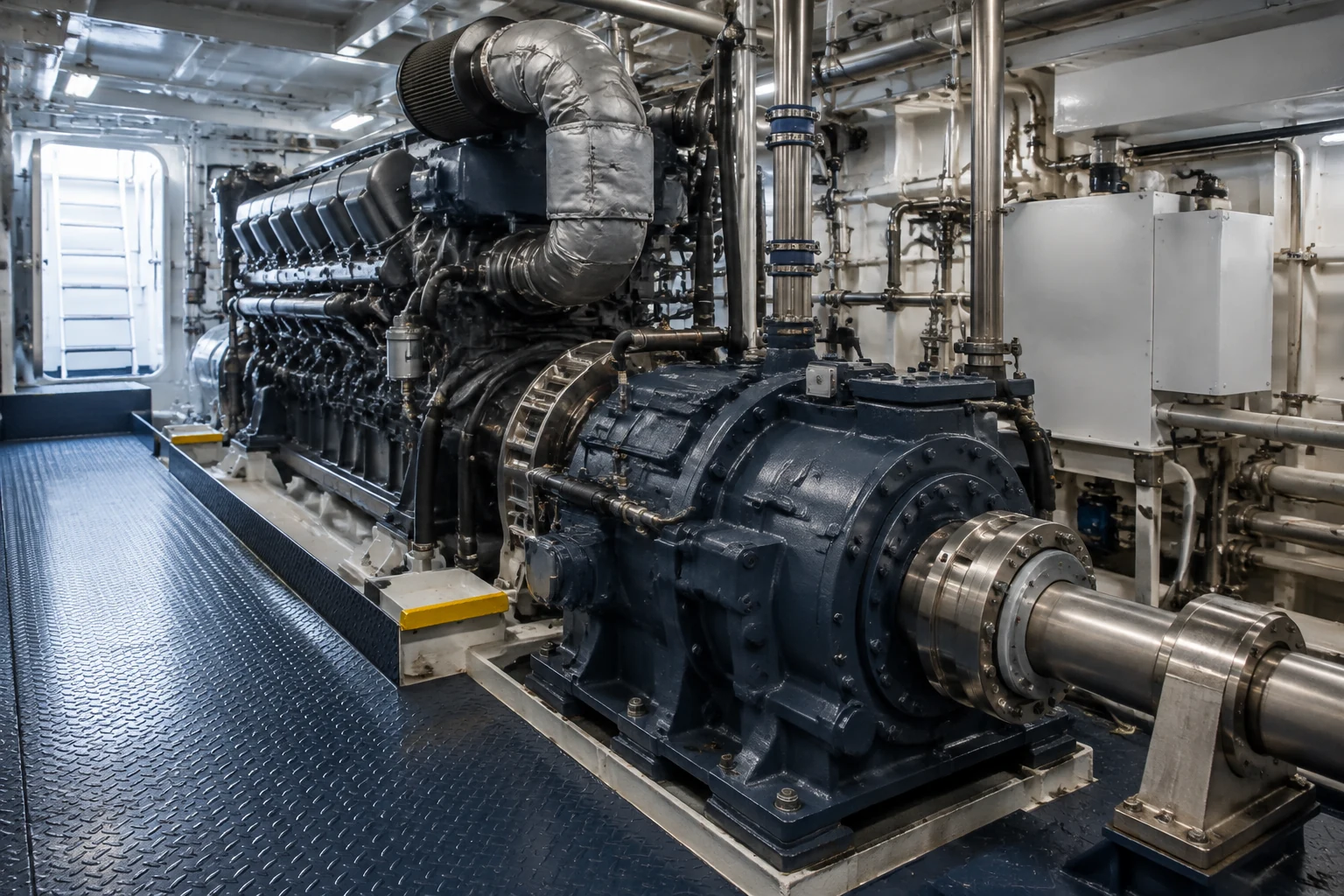
Marine engine maintenance should begin with a schedule that reflects the engine duty cycle and the manufacturers service requirements. Daily observations, periodic fluid checks and planned inspections provide useful evidence about the condition of the engine, gearbox and connected systems.
- Record oil pressure, coolant condition, temperature and operating hours.
- Inspect hoses, fasteners, couplings and accessible seals for early signs of wear.
- Review gearbox lubrication, alignment and control response at planned intervals.
Maintenance records are most valuable when they are consistent. Comparing readings over time can reveal gradual changes that may not be obvious during a single inspection. Clear records also help crews and service technicians prepare the correct parts and tools before work begins.
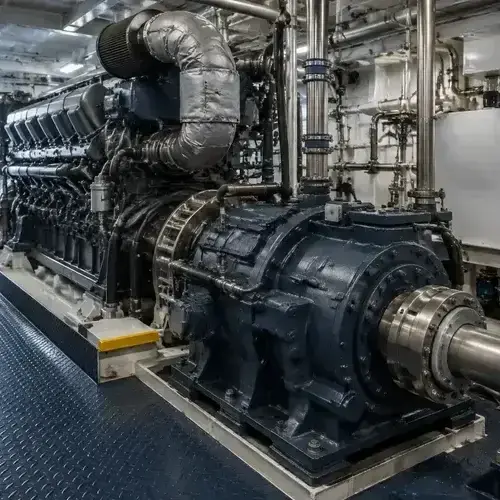
Access and cleanliness influence maintenance quality. Service points should remain reachable, replacement components should be protected from contamination and the engine room should provide enough space for safe inspection and repair activities.
Preventive maintenance cannot remove every operational risk, but it can make vessel reliability more predictable. A disciplined program supported by suitable parts and qualified service personnel helps marine operators protect propulsion performance and plan downtime with greater confidence.