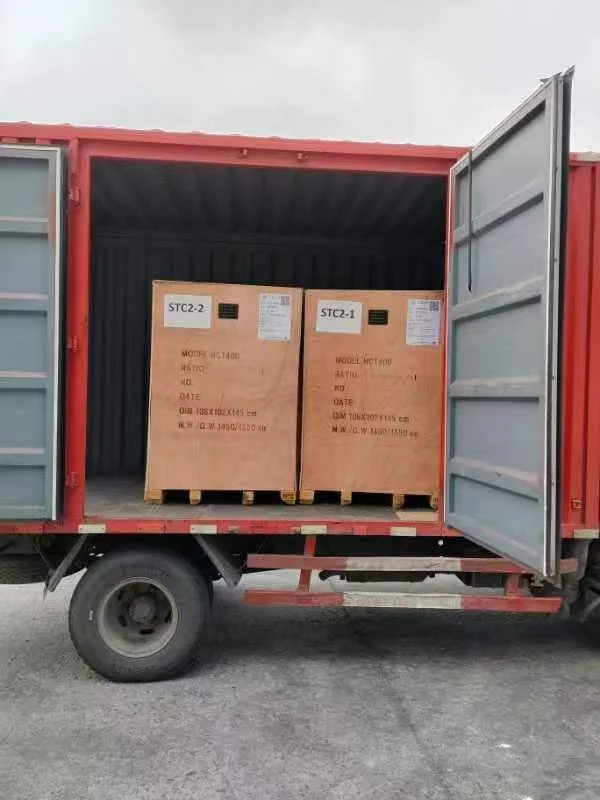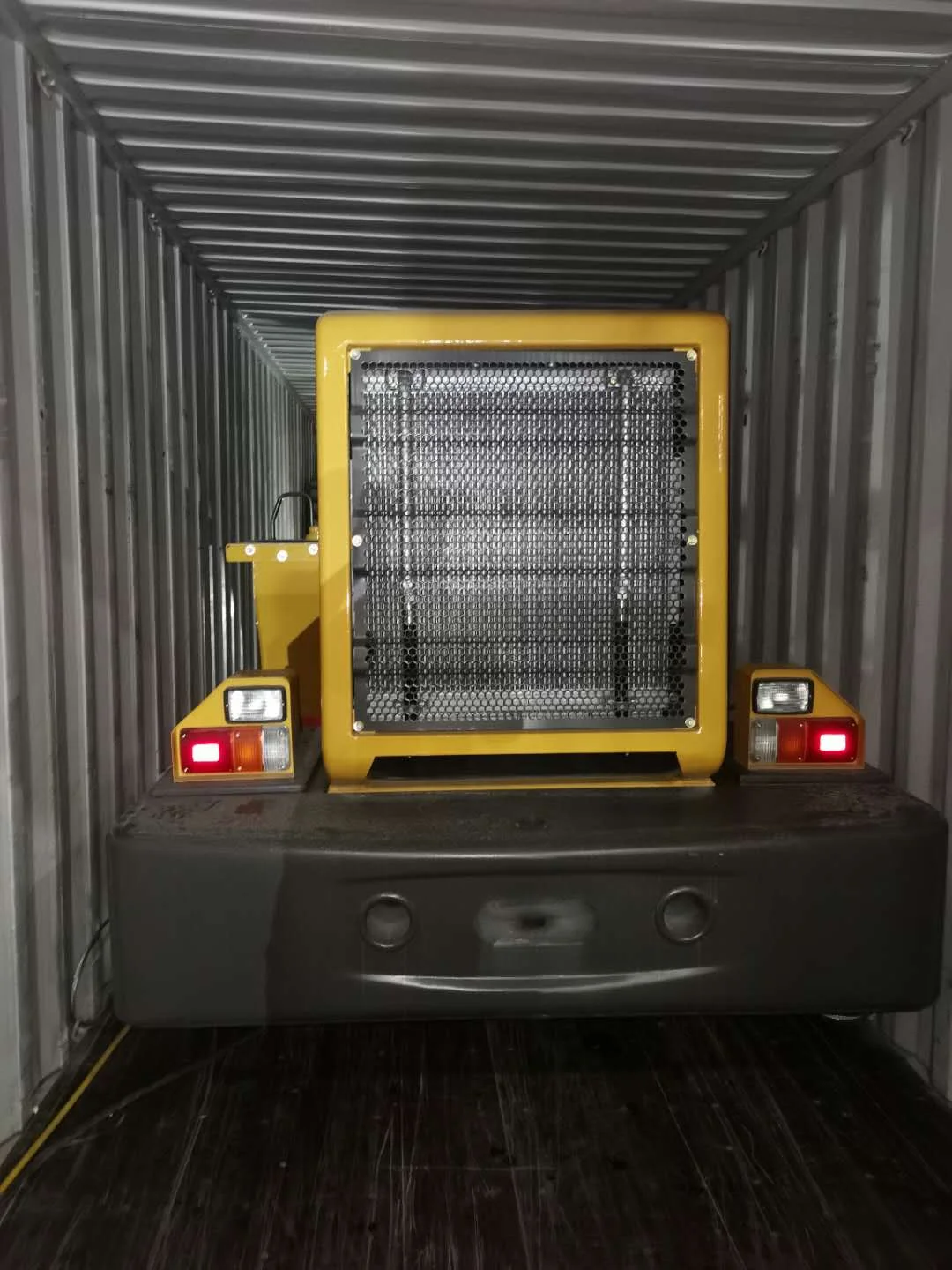
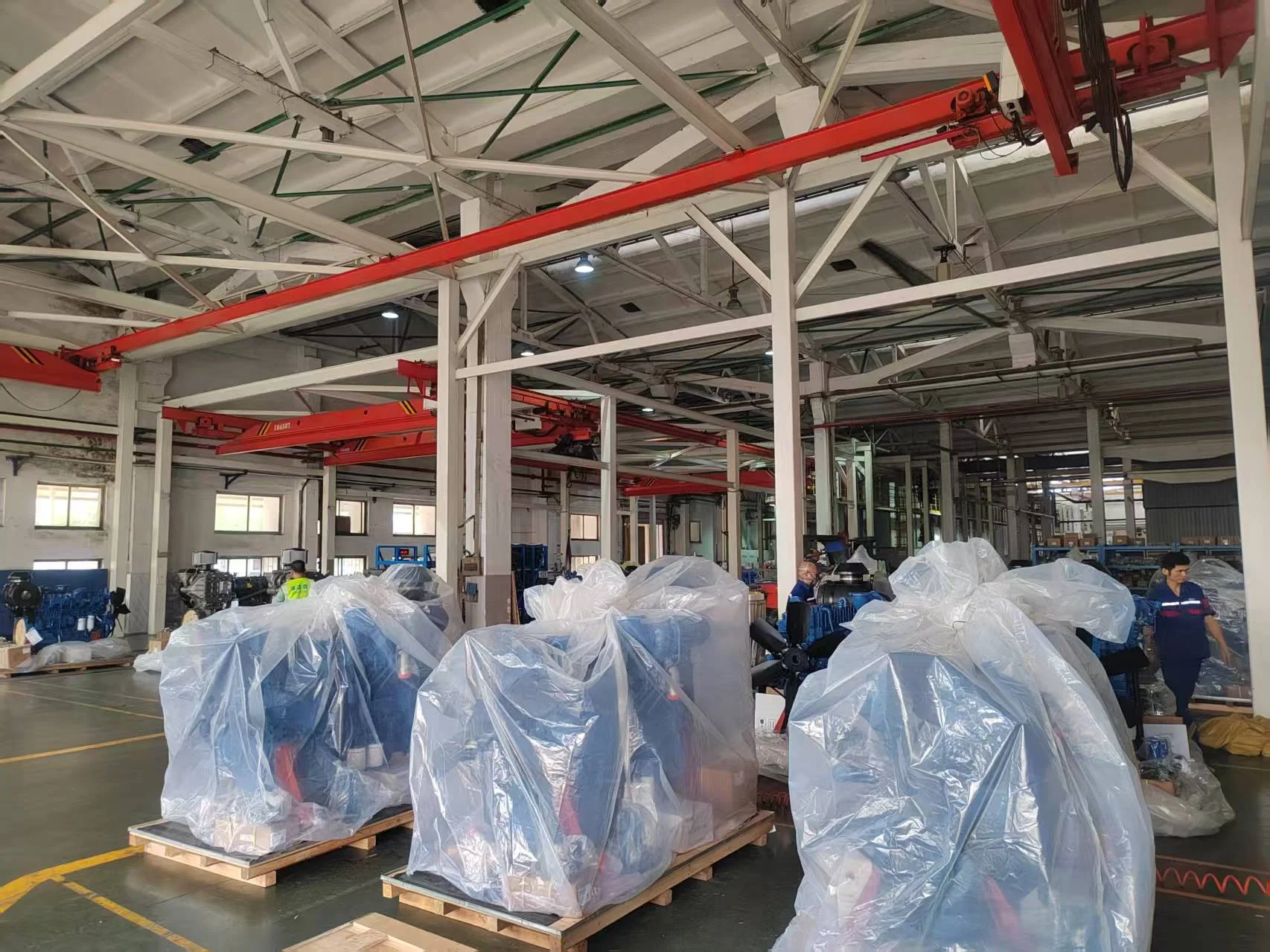
Recently, our company has completed the bulk delivery of 12 Yuchai YC6A170C marine engines. These engines have been officially shipped to a local shipyard in Estonia and will serve as core power components in the new green-powered ship project currently under construction at the yard. This marks a significant bulk order secured by our company in collaboration with Yuchai Marine Power Products in the high-end maritime equipment market of Northern Europe, indicating that domestic marine power has reached a new level of recognition in the European green shipping supporting sector.
The Yuchai YC6A170C marine engine delivered this time is a mature mainstay model under Yuchai Ship Electric. The entire engine features a straight-six, four-stroke structure, designed with turbocharging and intercooling technology. It has a displacement of 7.255L, a rated power of 125kW, and a rated speed of 1500r/min, meeting the IMO Tier II international maritime emission standards. Additionally, it holds certifications from authoritative classification societies such as ZC and CCS. This model weighs approximately 770kg and possesses core advantages such as excellent low-temperature startability, outstanding fuel economy, strong reliability for long-term operation, and convenient maintenance. It can perfectly adapt to the special navigation environment of the Baltic Sea region in Northern Europe, characterized by high latitudes, frequent ice conditions, and high humidity. It fully meets the stringent requirements of customers for marine auxiliary engines and standby power systems.
The Estonian shipyard collaborating with us is a core enterprise in the Nordic region, specializing in the research, development, and construction of green electric ships and ice-class workboats. The new generation of multi-purpose service vessel project it is undertaking is a key project for Estonia to promote maritime low-carbon transformation. Previously, this shipyard has established deep cooperation with the Polish CRIST shipyard and the Norwegian LMG Marin design company in the all-electric ferry project, and has rich project experience in the field of Nordic green ship construction. The selection of Yuchai YC6A170 series engines as the supporting power is a full recognition of the technical strength and quality stability of domestic marine power products.
The successful export of 12 Yuchai YC6A170 marine engines marks a significant milestone in our company's deepening engagement in the high-end maritime market of Northern Europe. Moving forward, our company will continue to collaborate with Yuchai Marine Power, aligning with the global trend towards low-carbon shipping. We aim to introduce more high-performance, low-emission domestic marine power products to the international market, providing global customers with more professional and reliable power support services, and contributing to the green transformation of the global maritime industry.